
Do You Need an SSN to Form a U.S. LLC?
No. Here's what non-US founders actually need to form a U.S. LLC, how to get an EIN without an SSN using Form SS-4, and when an ITIN matters.

Chief Executive Officer at Clemta
“CEO of Clemta and an IRS-recognized CAA, helping 20,000+ entrepreneurs from 170+ countries form and manage US companies. A corporate lawyer who previously advised tech companies and startups on cross-border relocation, she writes about incorporation, US expansion, and compliance.”
No. Here's what non-US founders actually need to form a U.S. LLC, how to get an EIN without an SSN using Form SS-4, and when an ITIN matters.

Non-residents can open a US business bank account entirely online, but approval depends on documentation rather than travel: a registered US entity, an EIN, a verifiable US business address and a business model the compliance team can follow. Traditional branch banks generally require a personal SSN and an in-person visit, so remote founders use fintech platforms that hold funds at partner banks. Most rejections come from flagged addresses, vague business descriptions or mismatched ownership details rather than from the founder's nationality.
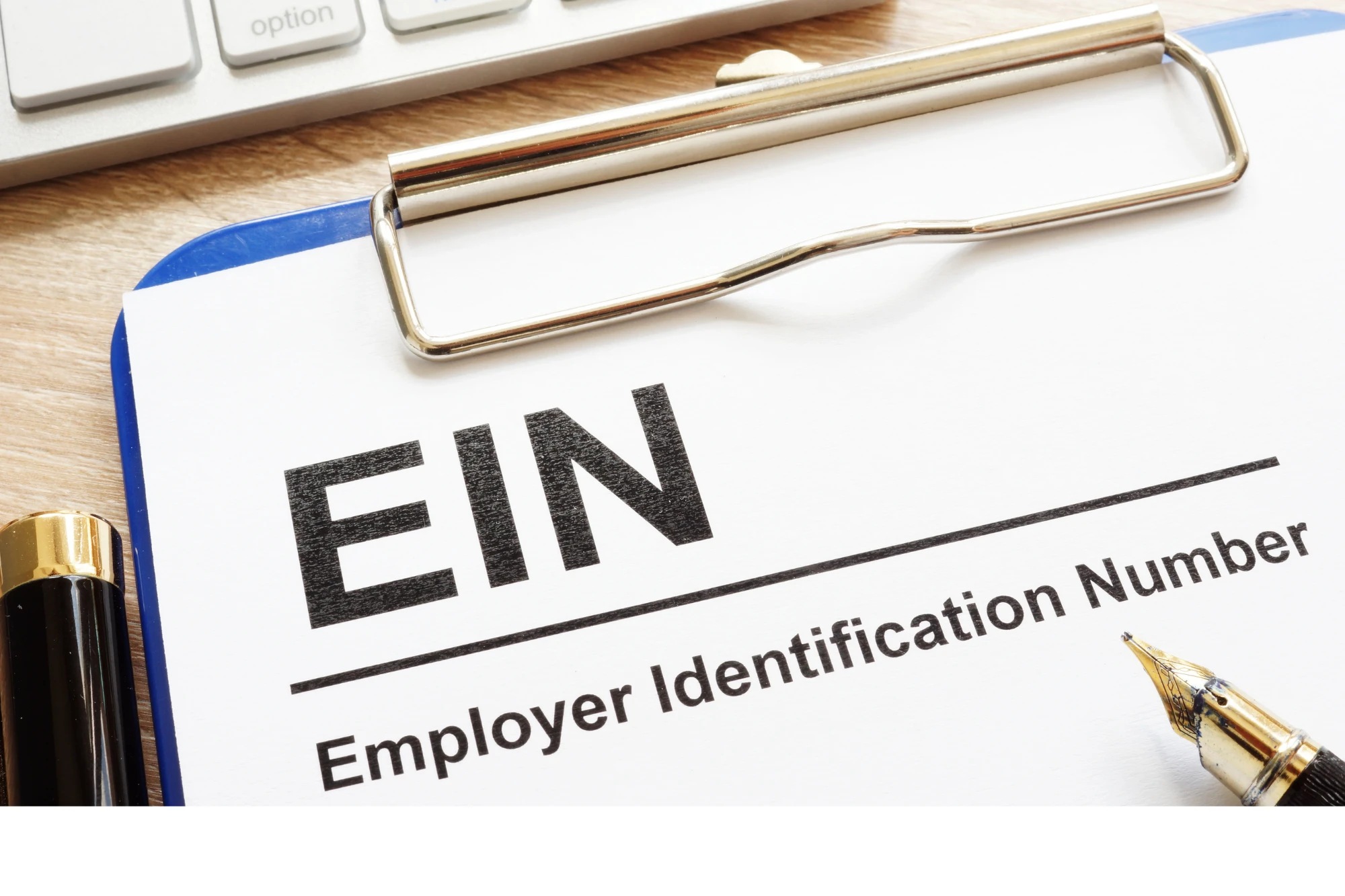
Your EIN can be recovered from your original CP 575 confirmation notice, a previously filed business tax return, or your business bank account records. If none of those are available, an authorized person can call the IRS Business and Specialty Tax Line and request a 147C verification letter. The IRS does not operate a public EIN lookup tool, so a company's own records or a direct IRS request are the only reliable routes.

The annual report intends to provide necessary information for the filing offices, other government agencies, the public, and the investors. It includes your location and contact information through which such parties can communicate with you.
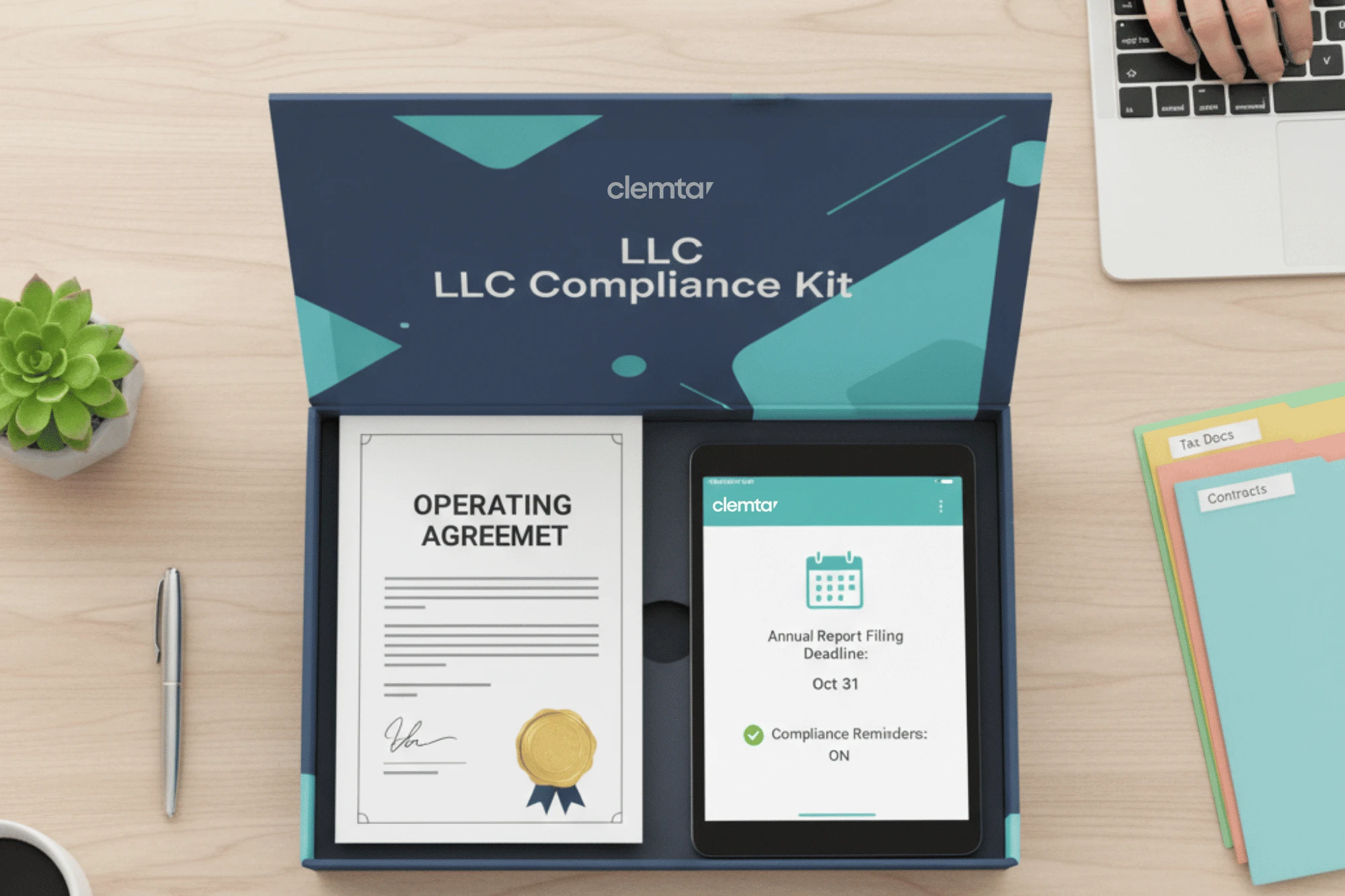
Focus on growth, not paperwork. Ignoring LLC compliance is risky. Get Clemta's free kit, including a custom Operating Agreement and automated reminders, to protect your business and stay compliant.

Filing a Section 83(b) election allows employees or founders to pay taxes on the full fair market value of restricted stock at the time it's granted, potentially saving on future taxes by locking in lower rates. However, failing to file within 30 days could lead to higher tax liabilities when the stock vests and risks double taxation when eventually sold.