
Statement of Information: State Requirements and Deadlines
California calls it a Statement of Information; most states call it an annual report. Here's what the filing is, when it's due, what it costs and what happens if you miss it, state by state.

Tax Operations Manager at Clemta
“I work as a Tax Operations Manager at Clemta, helping international entrepreneurs navigate US federal and state tax compliance, including Sales Tax filings. To date, I have managed annual tax compliance processes for over 15,000 companies established across all 50 US states.”
California calls it a Statement of Information; most states call it an annual report. Here's what the filing is, when it's due, what it costs and what happens if you miss it, state by state.
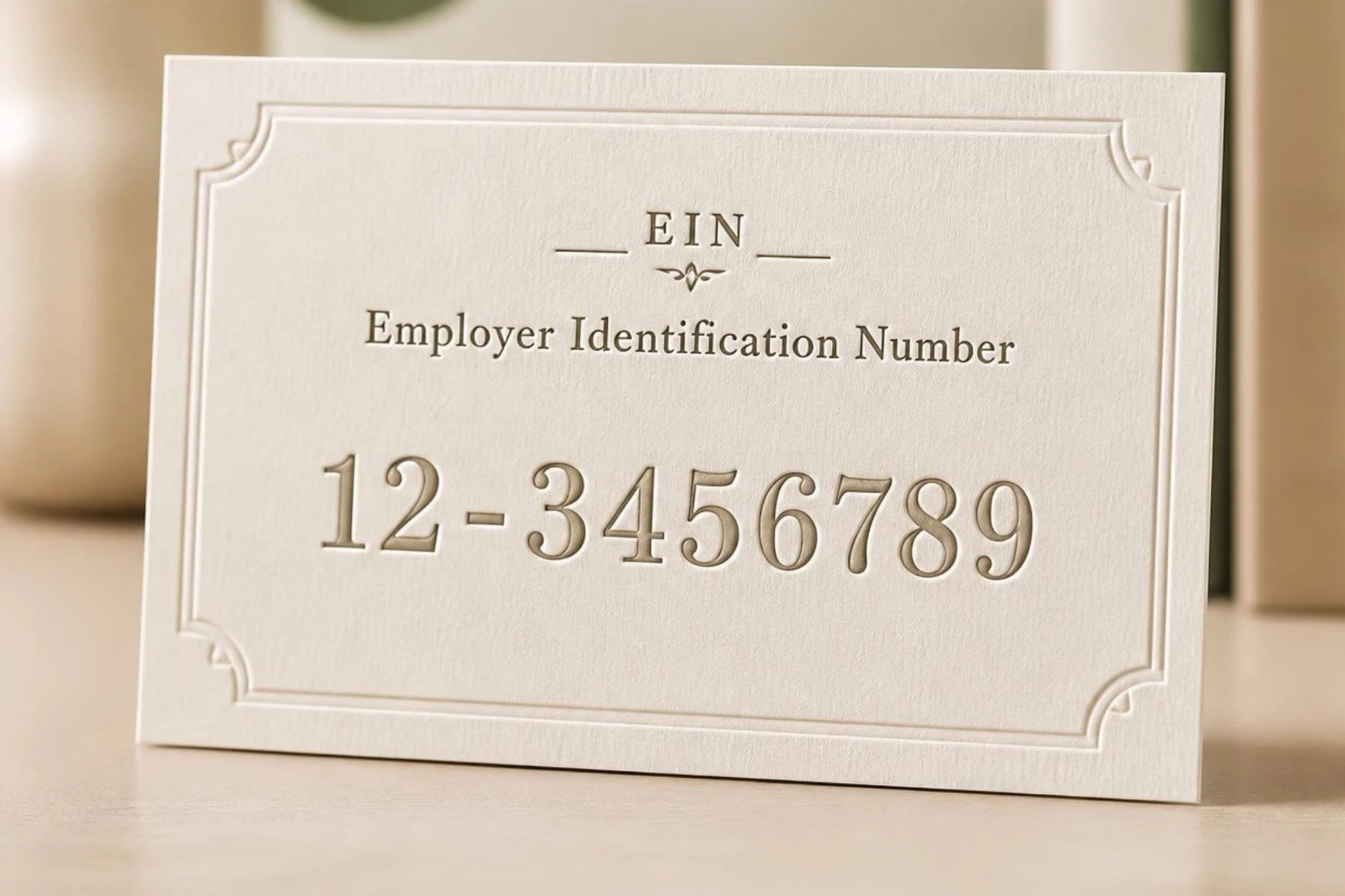
Got "We are unable to provide you with an EIN" and reference number 101? Here's what it means, what the other IRS error codes mean, and how to get your EIN with Form SS-4.

Moved abroad, switched address providers or brought in a new owner? Here's when to file Form 8822-B, how to fill it out line by line, and where to mail it.

Foreign-owned U.S. LLCs can face a $25,000 Form 5472 penalty. Learn why these penalties happen, relief options, and what to do after receiving a notice.

Whether a non-resident owes US tax on an LLC depends on where the income is earned, not on the owner's nationality or place of residence. A single-member LLC with no US trade or business and no effectively connected income generally owes no federal income tax, but it still has mandatory IRS filings, including Form 5472 with a pro-forma Form 1120. Multi-member LLCs, US employees, US inventory and state-level nexus change the answer completely.
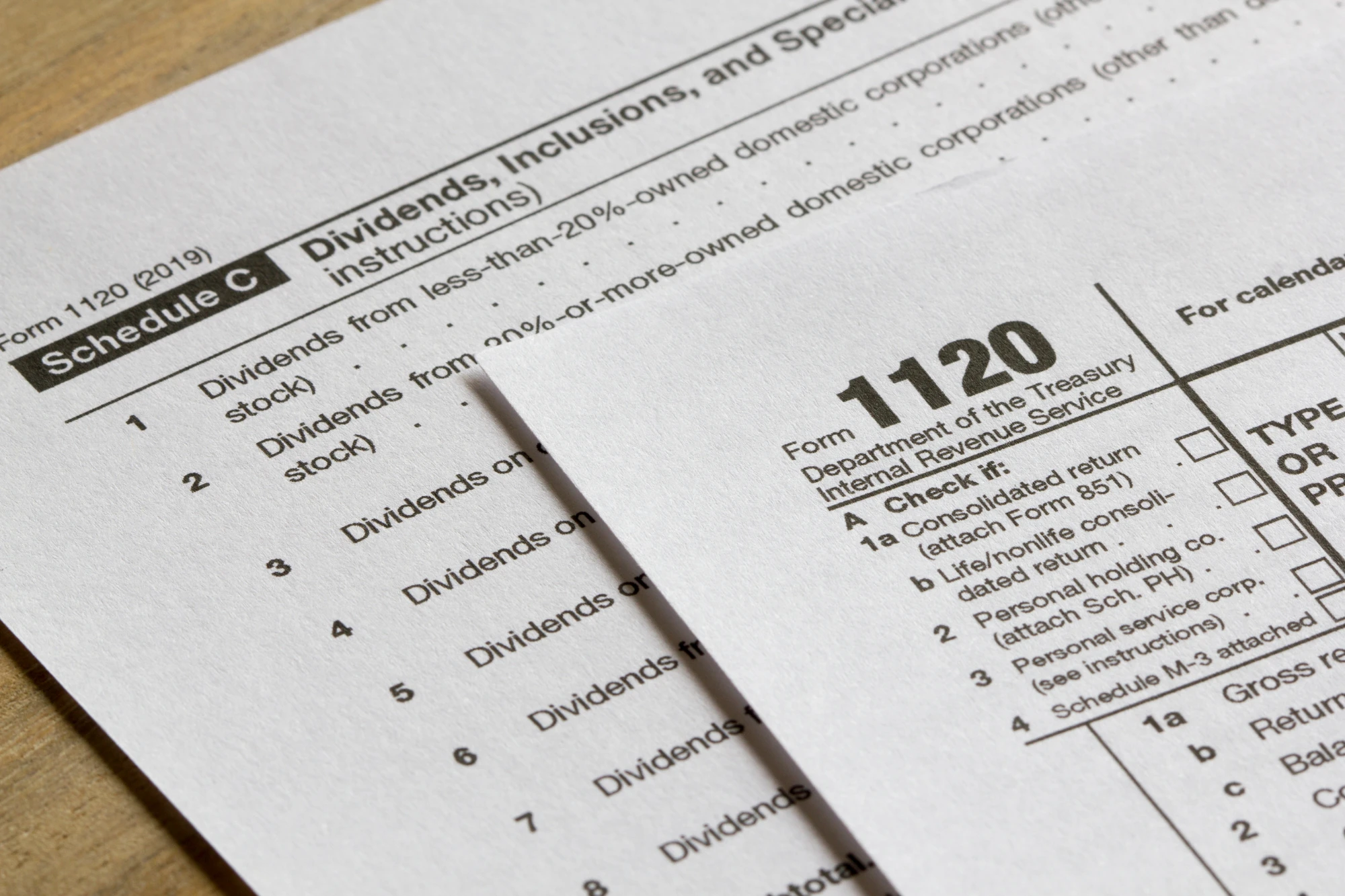
Form 1120 is the annual US corporation income tax return that every domestic C Corporation must file with the IRS, including corporations that were dormant or lost money. LLCs that elected corporate taxation file it too, and foreign-owned US corporations usually attach Form 5472. The return is due on the 15th day of the fourth month after the tax year ends, with a six-month extension available on Form 7004.