Tax Savings for Delaware Incorporations

Tax Savings for Delaware Incorporations

Incorporating in Delaware offers businesses significant tax advantages and a robust legal framework, making it an attractive location for entrepreneurs. The absence of sales tax and state income tax for corporations operating out-of-state further enhances Delaware's appeal as a strategic business hub.
Table of Contents

When considering where to incorporate your business, Delaware often stands out as a favorable option for many entrepreneurs and business owners. The state’s well-established legal framework and business-friendly environment make it an attractive jurisdiction. One of the most significant benefits of incorporating in Delaware is the potential tax savings. But how exactly do these savings manifest, and what makes Delaware so special?

Why Delaware?

A Business-Friendly Environment

Delaware is known for its flexible corporate laws and an esteemed chancery court, which specializes in corporate matters without involving juries. This can lead to more predictable and swift legal outcomes for businesses.

Privacy and Security for Business Owners

Privacy is another reason many choose Delaware. The state does not require publicly disclosed lists of company directors or officers, offering an extra layer of confidentiality.

Tax Advantages of Incorporating in Delaware

No Sales Tax

Delaware does not levy a state sales tax, which can result in significant savings, especially for businesses involved in retail or e-commerce operations.

Favorable Franchise Tax Structure

While Delaware does have a franchise tax, it is often lower and more manageable than in other states, particularly for small companies. The tax is typically calculated based on the number of authorized shares or gross revenue, thereby creating flexibility that many businesses find attractive.

No State Income Tax for Delaware Corporations Operating Out-of-State

For corporations that do not conduct business in Delaware, there is no state corporate income tax. This can substantially decrease the overall tax burden for such entities.

Understanding the Incorporation Process

Streamlined Registration with Clemta

Clemta provides an efficient platform to incorporate your business in Delaware, simplifying the paperwork and handling all legal requirements. Begin your incorporation journey with Clemta today!

Registered Agent Services

Incorporating in Delaware requires hiring a registered agent who must have a physical address in the state. Clemta offers comprehensive agent services to ensure compliance with local regulations.

Long-term Strategic Benefits

Incorporating in Delaware is not just about immediate tax savings; it also provides long-term strategic benefits. The state’s legal infrastructure has been geared toward supporting corporate growth, dispute resolution, and providing flexible financial mechanisms.

Simplified Raising of Capital

Delaware’s corporate law allows for flexible structuring of stocks and securities, making it easier for businesses to raise capital and attract investors.

Prestige and Investor Trust

Many large companies, including over 60% of Fortune 500 companies, are incorporated in Delaware. This association with a prestigious and trusted jurisdiction can enhance business credibility.

Conclusion

Incorporating in Delaware can yield significant benefits, primarily through tax savings and a supportive legal environment. Whether you’re a small startup or looking to expand an existing business, Delaware provides the tools and framework necessary for growth. To learn more about maximizing these benefits, visit Clemta’s website and explore their expert services in guiding businesses through the incorporation process.

Explore more
Meeting with tax businessmen and company presidents to discuss SMEs tax collection problems, teamwor
What Is Section 83(B) Election?

The Section 83(b) election is a crucial tax strategy for startup founders and employees with restricted stocks. It allows them to pay taxes on the fair market value of the stocks at the time of granting rather than at vesting, potentially reducing tax liability and maximizing long-term gains.

Read More »
Start-up
Advantages of Delaware for Startup Corporations

Delaware is a preferred destination for incorporating startups due to its investor-friendly environment, specialized judiciary, privacy protections, and efficient incorporation process, making it an attractive choice for entrepreneurs seeking external funding and growth opportunities.

Read More »
Forming a Company in the USA
Common Mistakes to Avoid When Forming a Company in the USA

Forming a company in the United States offers vast opportunities but comes with challenges, particularly for non-residents. Choosing the right business structure is critical, as it impacts liability, taxation, and future growth. It’s important to consider state-specific regulations, as each state has unique rules that can affect operational efficiency and tax obligations. Conducting a thorough name search and securing trademarks are essential to avoid legal issues and protect your brand. Understanding tax responsibilities and opening a US bank account are crucial steps, along with seeking professional guidance to navigate the complexities of US business formation effectively.

Read More »
1042S
What is Form 1042-S?

Form 1042-S is a critical document for US tax reporting. It is used to report payments made to non-US entities by US-based organizations. The form documents US-source income distributed to non-US residents and is required by employers, educational institutions, and financial organizations to report payments and income withholdings.

Read More »
Planning for the future of their corporation
How Can I Restore a Dissolved Corporation?

Restoring a dissolved corporation can be a strategic move, allowing businesses to maintain their brand identity and resume operations efficiently. This blog outlines critical steps and considerations for reviving your corporation, highlighting the benefits of restoration over starting anew.

Read More »
Wyoming vs. Delaware
Wyoming vs. Delaware: Which State is Best for LLCs?

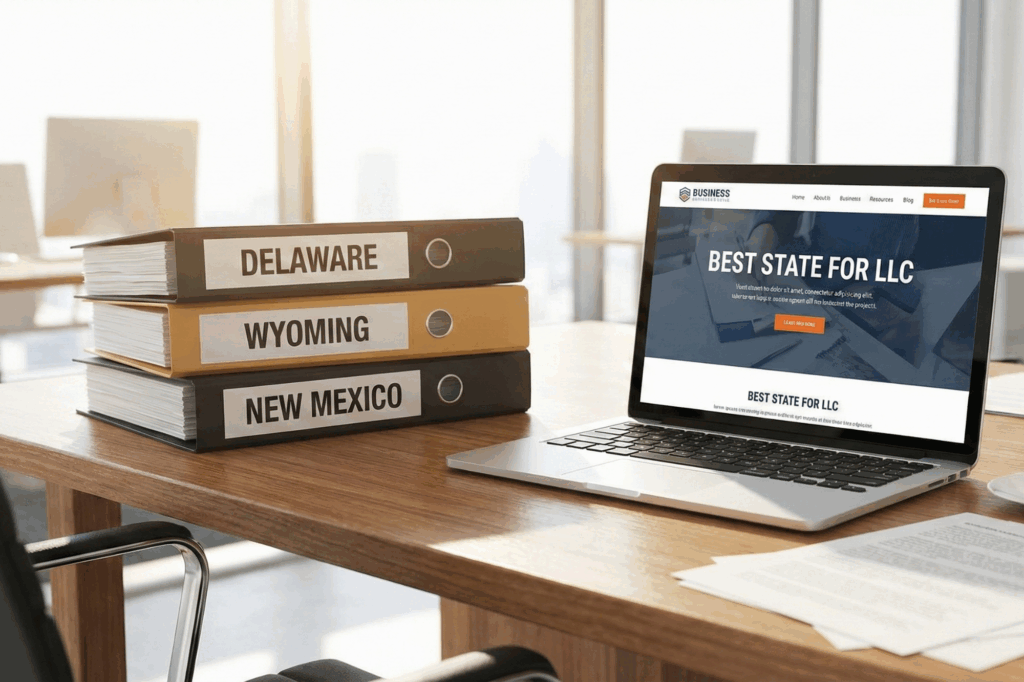
Wyoming and Delaware are two of the most popular U.S. states for LLC formation, especially among non-resident entrepreneurs. Wyoming stands out for its low costs, privacy-focused regulations, and tax-free advantages, making it attractive for small businesses prioritizing savings and confidentiality. Delaware, on the other hand, is renowned for its Chancery Court, flexible business laws, and global reputation, which appeal to startups seeking credibility and international growth. Ultimately, the best choice depends on your specific business goals, whether they prioritize cost efficiency, privacy, or investor trust.

Read More »
Need Help Before You Go?

Get answers to your questions with a quick meeting. Schedule a free consultation to discuss your needs and next steps.