For international entrepreneurs looking to enter the US market, Michigan presents a compelling option. It combines a low cost of entry with a straightforward legal structure.
While states like Delaware and Wyoming often get the spotlight, Michigan is consistently one of the most affordable states to form and maintain an LLC. The initial state filing fee is significantly lower than the national average.
However, for a non-resident founder (someone living outside the US without a Green Card), the process has specific hurdles. You cannot simply fill out a form online and be done. You must navigate physical address requirements, specific tax forms, and federal reporting laws that target foreign ownership.
Here is the technical directive on how to start your Michigan LLC in 2026.
1. Choose a Name for Your LLC
Your business name is your first legal identifier. Michigan has strict rules for naming your company, and LARA (Department of Licensing and Regulatory Affairs) will reject any application that violates them.
- Distinguishability: Your name must be unique. It cannot be "deceptively similar" to another business already on file. You can check this availability for free using the Michigan Business Entity Search.
- Designator: The name must end with a legal designator. Accepted forms include "Limited Liability Company," "L.L.C.," or "LLC."
Pro Tip: If you are not ready to file today, you can reserve your desired name for 6 months by filing an Application for Reservation of Name.
2. Appoint a Michigan Registered Agent
This is the most critical step for non-resident founders.
Every Michigan LLC is legally required to have a Registered Agent. This is a person or entity responsible for receiving legal mail (Service of Process) on behalf of your business.
The Requirement: The Registered Agent must have a physical street address in Michigan. P.O. Boxes and virtual mailboxes are strictly prohibited for this specific purpose.
The Non-Resident Challenge: Since you likely live in London, Toronto, or Lagos, you cannot serve as your own Registered Agent. You generally must hire a professional Registered Agent service. This ensures you have a compliant physical address in the state without needing to lease an office.
3. File Your Articles of Organization
This is the document that brings your LLC into existence.
To form your company, you must file the Articles of Organization (Form CSCL/CD-700) with the Corporations, Securities & Commercial Licensing Bureau.
- How to File: You can file online via the LARA Corporations Online Filing System (COFS).
- Processing Time: Online filings are usually processed within 24 hours.
4. Get Your EIN (The Non-Resident Process)
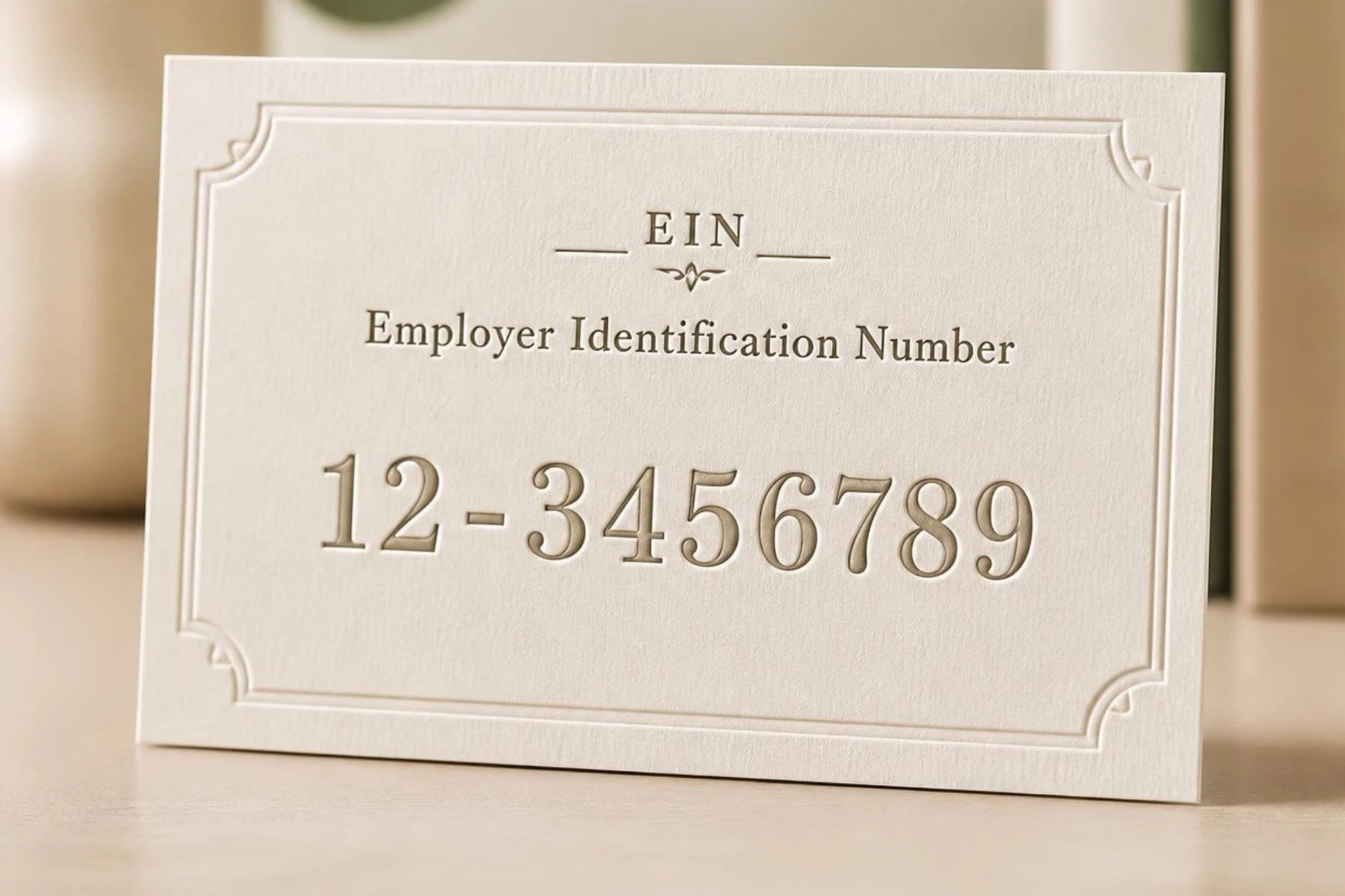
Once your LLC is approved by Michigan, you need a federal tax ID. The Employer Identification Number (EIN) is required to open a US business bank account (like Mercury or Brex) and to use payment gateways like Stripe.
For US Residents: If you have an SSN, you can apply online at the IRS website and get your EIN in minutes.
For Non-Residents: You cannot use the online application. If you do not have an SSN, you must file Form SS-4 via fax or mail.
- The Process: You must complete Form SS-4 carefully, indicating you are a "Foreign Person" without an SSN.
- The Timeline: If you fax the form, it typically takes 4 to 14 business days to receive your EIN faxed back to you. If you mail it, it can take 4 to 6 weeks.
5. File Your BOI Report
As of 2024, the Corporate Transparency Act mandates that almost all LLCs file a Beneficial Ownership Information (BOI) Report with the Financial Crimes Enforcement Network (FinCEN).
This is not a state form; it is a federal requirement.
- The Deadline: For LLCs formed in 2026, you generally have 30 days after your company is created to file this report.
- The Requirement for Non-Residents: You must provide a clear copy of your foreign passport to FinCEN as proof of identity.
- The Penalty: Failure to file on time can result in civil penalties of $591 per day.
Ongoing Cost: The Annual Statement
Michigan is low-maintenance compared to other states. You do not need to file a complex annual tax return with the state unless you have specific tax liabilities.
You strictly need to file an Annual Statement every year.
- Due Date: February 15.
This statement simply confirms your Registered Agent's address is current.
Final Thoughts: Secure Your US Footprint
Starting an LLC in Michigan is a smart financial move, but for international founders, the logistics can be difficult. You need a physical presence in the state for your Registered Agent, and you need to navigate IRS fax lines to get your banking ID.
Start Your Michigan LLC with Clemta: We are built for this specific use case. Clemta handles the entire process for non-resident founders. We provide the required Michigan Registered Agent, file your Articles of Organization, and handle the complex offline EIN application with the IRS.

İlayda Şencan
Chief Executive Officer at Clemta