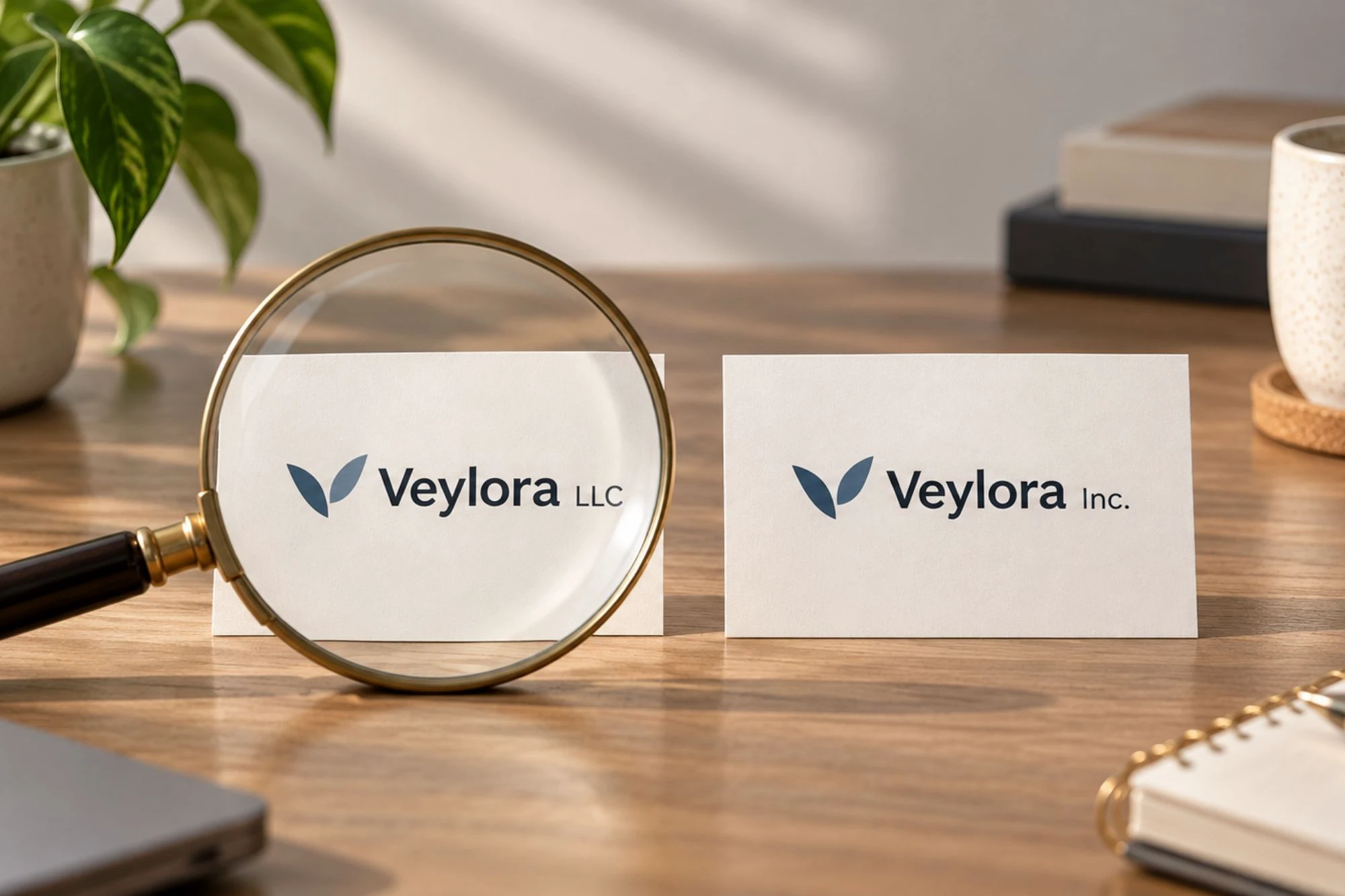
Choosing a compelling and compliant name for your LLC in Delaware is a crucial step in establishing your business identity. A thoughtful name not only resonates with your target audience but also aligns with legal guidelines. In this guide, we’ll walk you through the key considerations and steps to ensure your LLC name is both memorable and compliant.
The Importance of a Memorable Business Name
The name of your LLC is often the first impression potential clients or customers will have. A memorable name can enhance brand recall and marketing effectiveness. Consider the following strategies:
Simplicity and Clarity
Ensure your business name is easy to pronounce and spell. This simplicity aids in brand recall and communication, making it easier for customers to find and remember you.
Relevance and Meaning
Your name should reflect the essence of what your business does. This establishes an immediate connection with your audience, helping to convey your brand’s mission and values.
International Appeal
If you plan on expanding globally, consider a name that transcends language barriers. This will help ensure that your brand resonates with a wider audience, regardless of their native language.
Legal Considerations in Naming Your LLC in Delaware
Before finalizing your business name, it’s essential to ensure compliance with Delaware state regulations:
Avoiding Restricted Words
Delaware prohibits certain words in LLC names. Make sure your chosen name does not include words like "bank" or any offensive terms. Learn more about restricted words here.
Mandatory Inclusions
Your LLC name must include "LLC", "L.L.C.", or "Limited Liability Company" to denote the business structure. This is a legal requirement that clearly identifies your business entity type.
Uniqueness in the Registry
The name must be unique within the Delaware state registry. Verify your name’s availability using Delaware's Name Reservation tool to ensure it stands out from existing businesses. For further information, you can check Delaware provisions that cover naming guidelines.
Crafting a Unique Brand Identity
A unique name can set your LLC apart and help you carve out a niche. Don't hesitate to invent a word or innovate with language:
Storytelling and Branding
A name that tells a story or holds significance can create deeper connections with your audience. This approach can enhance your brand’s narrative and make it more relatable.
Seeking Feedback
Share your ideas and get feedback from potential customers or business advisors. Their insights can provide valuable perspectives and help refine your choices.
Testing and Refining
Use online tools or focus groups to test the reception and appeal of your potential business names. This step can help you gauge the effectiveness of your name before finalizing it.
Reserving Your LLC Name
Once you've selected a name, you can reserve it to secure your business identity for a small fee. This reservation lasts for 120 days, giving you ample time to finalize your LLC formation. Start your name reservation process here.
Ready to Start Your LLC?
With your business name ready, take the next step in your entrepreneurial journey. Sign up on clemta to simplify your LLC formation process. Our platform provides comprehensive support, making it easier for you to focus on building your business.
Additional Resources and Support
For a detailed understanding of Delaware's naming guidelines and other provisions, consult the Delaware Code. At clemta.com, we provide all the necessary tools and resources to assist you every step of the way. Get started with us today!

Tessa Bright
writer