
Form 1099 NEC: Who Needs to File Non-employee Compensation Forms

Hiring independent contractors is a great way to scale your US business, but it comes with strict IRS reporting requirements. We explain exactly what Form 1099 NEC is and who you must send it to before the tax deadline.
Do Non-Residents Pay Taxes on US LLCs? A Complete Guide to Compliance

Operating a US company from abroad comes with unique tax rules. Discover whether you actually owe federal income taxes and how to manage your IRS compliance flawlessly to avoid severe penalties.
IRS Form 1065: The Definitive Guide for Multi-Member LLCs

Operating a multi member LLC means your business is automatically treated as a partnership by the IRS. Discover what Form 1065 is, how pass through taxation works for partners, and the critical deadlines you must meet.
Small Business Taxes 101: A Compliance Checklist for US LLC Owners

Forming your Limited Liability Company was the easy part. Now you must keep the IRS happy. Use this essential tax compliance checklist to understand your filing requirements, organize your deductions, and avoid expensive penalties.
What is an ITIN? Do You Need One for Your US LLC?

As a foreign founder, navigating IRS requirements can be incredibly confusing. We explain exactly what an ITIN is, how it differs from an EIN, and whether you actually need one to operate your business.
What is a Disregarded Entity? Tax Implications for Single Member LLCs

If you formed a Single Member LLC, the IRS likely classifies your business as a disregarded entity. We break down exactly what this means for your personal taxes, your legal liability, and your reporting requirements.
Understanding Form 1120: Corporate Income Tax Return for US C Corporations
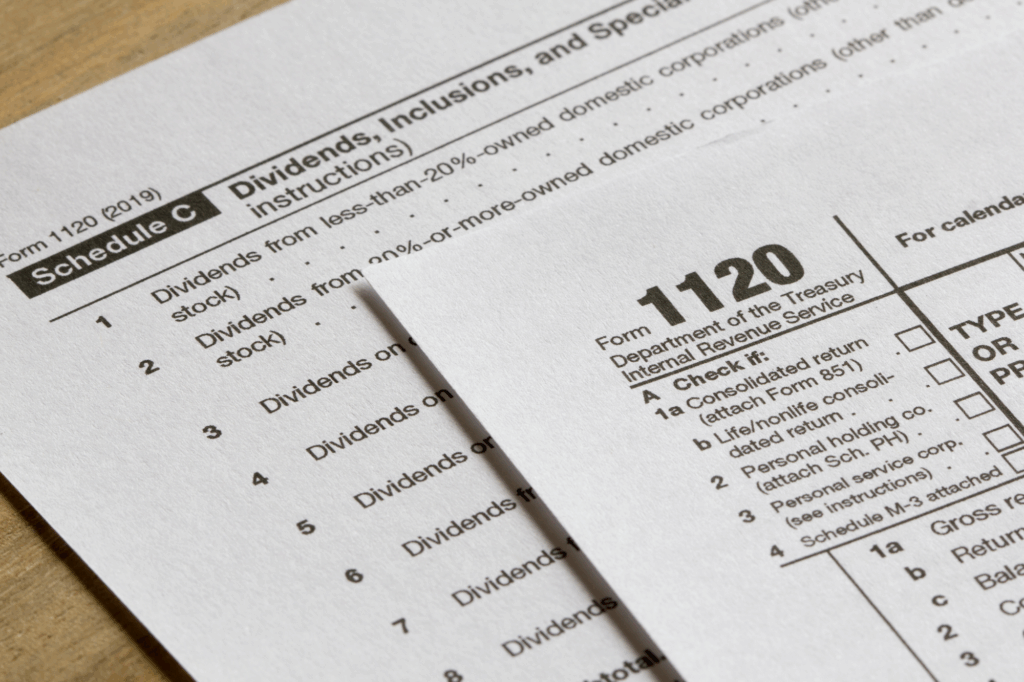
Form 1120 is the official IRS tax return for US C Corporations. Whether you generated massive revenue or operated at a loss, understanding this form is your first step to corporate tax compliance. We break down the essentials.
How to Get a US Tax ID Number: EIN vs. ITIN Explained for Non-Residents

If you are a foreign founder, you likely need both an EIN and an ITIN eventually. However, getting them requires two completely different application processes. Here is your technical directive on which one to tackle first.
ITIN Application Guide: How to Apply for an Individual Taxpayer Identification Number

Applying for an ITIN is not a standalone process. You generally must file it alongside your annual tax return. Here is a helpful guide on how to get your number without getting rejected.
W-8 Form Explained: The Difference Between W-8BEN and W-8BEN-E

If you are a non-US freelancer or business receiving payments from the US, the W-8 form is not optional. It’s essential to avoid an automatic 30% tax withholding. This guide demystifies the complex IRS landscape and clarifies the critical differences between W-8BEN for individuals and W-8BEN-E for entities.
