
Starting a business in California is an exciting milestone. But when it is time to close that chapter, the process requires just as much precision. Many founders mistakenly believe that simply stopping operations is enough. However, in California, an inactive LLC is still a taxable LLC.
If you fail to officially dissolve your company with the Franchise Tax Board (FTB) and the Secretary of State, you will continue to owe the notorious annual minimum franchise tax, plus mounting penalties and interest.
To protect your personal assets and ensure a clean break, you must follow a specific legal process. Here is the definitive guide on how to close an LLC in California without leaving any loose ends.
1. File Your Final Tax Return with the FTB
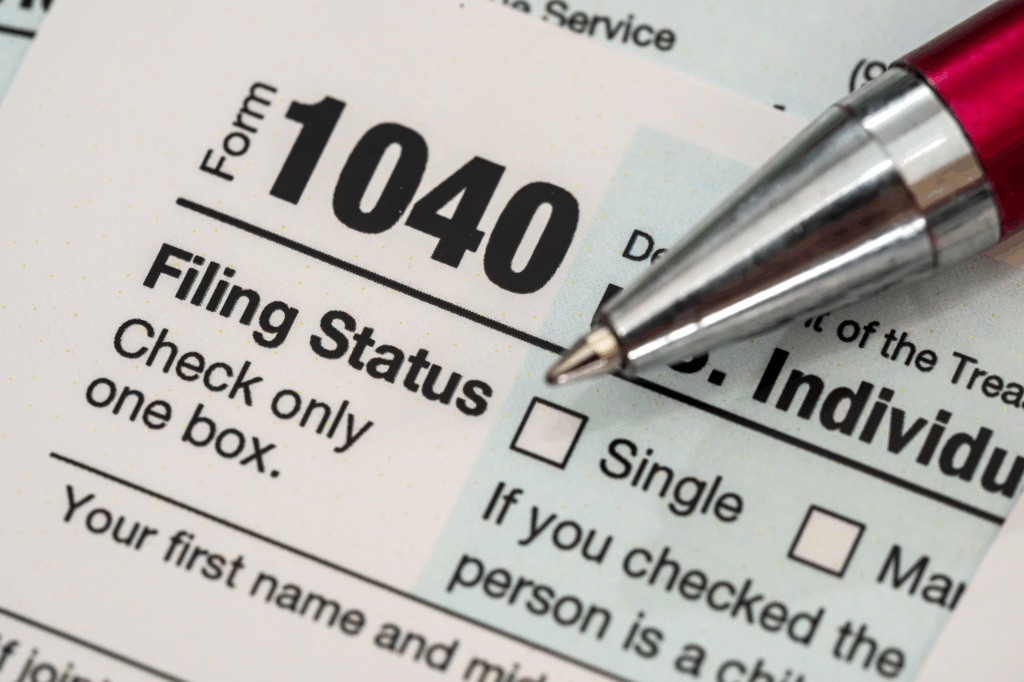
The Franchise Tax Board requires you to settle all your tax obligations before they will recognize your business as closed. Your very first step is to file your final tax return.
Check the Box: When completing this return, you must explicitly mark the box labeled “Final Return” on the front page.
The 12 Month Rule: You must cease all business operations in California by the end of the tax year in which you file this final return. If you continue doing business, the FTB will reject the closure and hit you with another minimum tax bill for the following year.
Pay Your Dues: You must pay any outstanding tax liabilities, penalties, or interest at this time. This includes your final minimum franchise tax if it is currently due.
2. File the Certificate of Cancellation
Once your taxes are in order, you must officially notify the California Secretary of State that the entity no longer exists.
If all members of the LLC agree to dissolve the business, you only need to file one form: the Certificate of Cancellation. You can file this document online through the Secretary of State portal or by mail.
There is no standard filing fee for the Certificate of Cancellation. However, if you want expedited processing, you can pay an additional optional fee to speed up the timeline.
3. The Short Form Cancellation Exception
If your LLC was active for less than 12 months, you might qualify for a faster and cheaper exit. California offers a Short Form Certificate of Cancellation for LLCs that meet very specific criteria.
To use this form, your LLC must not have conducted any business, it must have no debts, and it must have returned any investments to its members. The biggest advantage here is that if you meet all the requirements and file within 12 months of forming your LLC, you are exempt from paying the minimum franchise tax for your first year.
4. Close Out All Other Agency Accounts
Closing your LLC at the state level does not automatically close your accounts with other regulatory bodies. To avoid future headaches, make sure you notify the following agencies:
- The IRS: You need to close your federal Employer Identification Number account by sending a formal letter to the IRS explaining that the business is closed.
- Employment Development Department: If you had employees, you must file your final payroll tax returns and close your employer account.
- Local City and County Offices: Cancel your local business licenses and permits to ensure your city does not continue billing you for local taxes.
Final Thoughts: Do Not Leave Your Closure to Chance
Closing an LLC in California is a highly administrative process. A single missed form or an unchecked box on your tax return can trap you in a cycle of accumulating fees and FTB notices. The smartest move a founder can make is treating the closure of their business with the same level of professional care as its formation.
Close Your California LLC Safely with Clemta: Navigating FTB requirements and Secretary of State filings can be overwhelming. Clemta takes the stress out of dissolving your business. Our experts will handle your final tax filings, submit your Certificate of Cancellation, and ensure every regulatory requirement is met so you can move on to your next venture with absolute peace of mind.